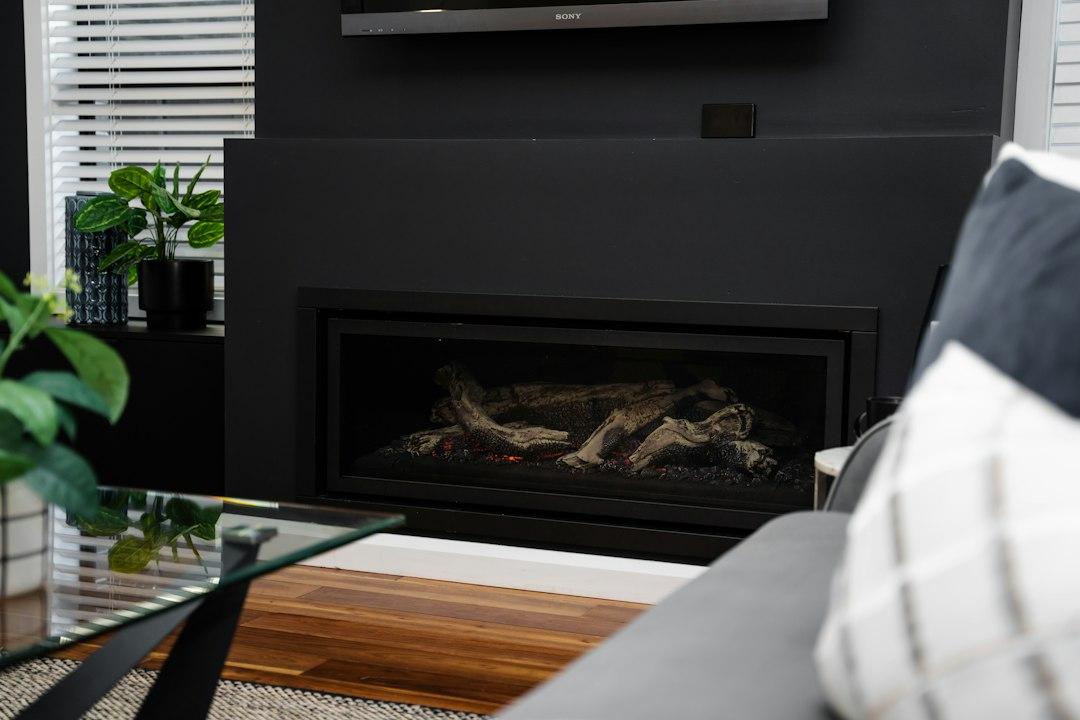
Two gas answers to one tired fireplace
Owners who have given up hauling firewood usually land on gas, and then find there are two quite different products sold under that word. One is a set of ceramic logs on a burner that sits in the existing firebox, open to the room. The other is a sealed heater with a glass front that closes the opening and vents to the top of the chimney. Both give a flame at the turn of a key or the press of a button. Beyond that they behave like different appliances, and the choice shapes your comfort, your gas bill and your maintenance for years. In Buena Park we price both, often at the same visit, so here is how we lay them side by side.
What each one actually is
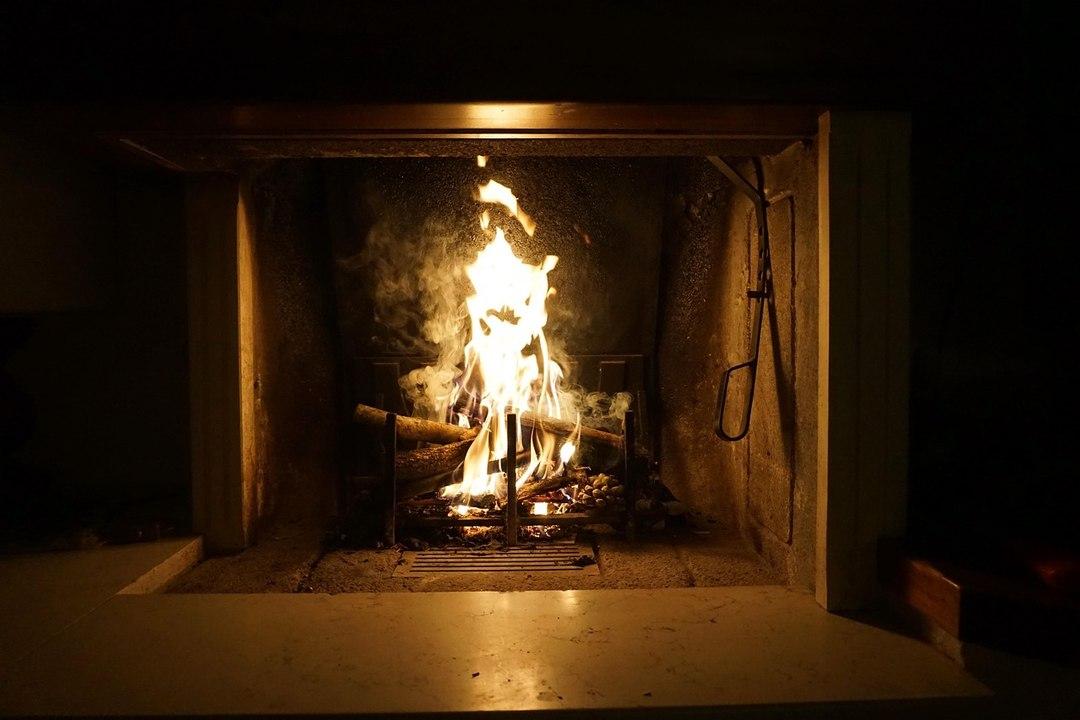
A log set is decoration with heat as a side effect. The burner sits where the grate used to, ceramic logs and embers rest on top, and the old damper is held open so combustion gases leave by the original flue. The fireplace stays an open hole in the wall. On a mild evening that suits plenty of people: the room looks lived in, the flame is real, and nobody has to split oak.
A gas insert is a heater that happens to look like a fire. It is a steel box with its own firebox, sealed glass, controls and two vent pipes inside the chimney, one carrying outdoor air down to the burner and the other taking exhaust up. Room air is not used for burning, so warm air is not drawn out of the house. A blower can push heat into the room across the floor.
Warmth: the biggest gap between them
With logs, most of the heat follows the exhaust up the open flue, just as it did with wood. You feel warmth standing close, but a cold room stays cool at the far end. Owners who want the fireplace to take the chill off a living room on a January morning are usually disappointed by logs alone.
An insert keeps most of its heat inside. Many are sized to warm a good part of a single storey home, and on mornings when the forced air system would otherwise run, some owners leave the central heat off and use the insert instead. If the goal is heat, the insert wins this comparison clearly.
Venting and what the chimney has to offer
Vented logs rely on the old flue being open, sound and clear. They need the damper fixed so it cannot close fully while the burner runs, and the flue still needs a look now and then because birds and leaves find their way in. Vent free logs exist too, but they release their exhaust into the room, carry limits on room size and are not something we fit in every home; we explain on site whether they are an option at all.
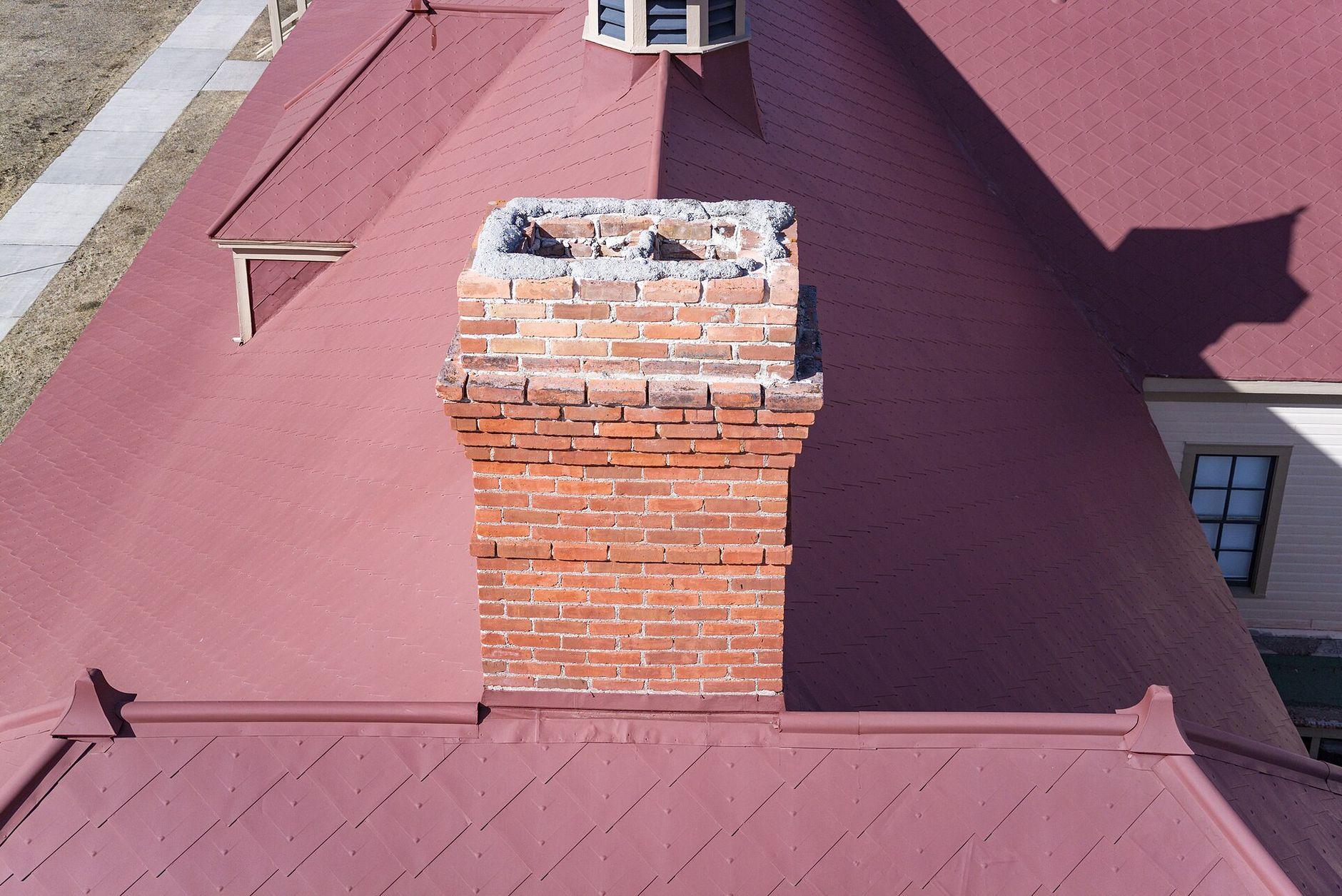
An insert brings its own vent, so a cracked tile or an oversized clay flue matters less, provided the chimney can carry the pipes and the top can be closed around them. That makes an insert a sensible route for a masonry chimney that has seen better days, as long as the brick itself is standing straight.
Upkeep, year after year
- Logs: a yearly check of the burner, pilot and log placement, plus a look up the flue. Soot on the logs often means they have been moved or the air mix is off.
- Insert: a yearly service of the burner, pilot, glass and gasket, with the vent connections checked at the top. Glass on a sealed unit gets hot, so a safety screen in front matters if small children use the room.
Neither needs a sweep in the wood sense, since gas leaves no creosote. Both need the gas connection and shutoff kept in good order.
Price, side by side
Logs are the smaller spend. The figure depends on the size of the set, whether a gas key already sits at the hearth and whether the damper needs work to stay open; we put it in writing once we have seen the firebox. A sealed gas insert in the masonry opening you already have comes to $2,650 to $5,350 on our list. Where there is no fireplace in the room you want to heat, a direct vent unit built into a new wall runs $4,250 to $8,550, and that is a separate conversation from either of these.
The questions that decide which way a household goes are fairly few: how warm the room needs to get, how good the chimney is, whether gas already reaches the hearth, and how much of the old brick face you want to see. If you can answer those in a sentence or two, put them in the quote form. We call back, arrange a visit, and price both options in writing so you can compare the two figures against each other.
When we would steer you one way
We tend to recommend logs when the fireplace is a feature for evenings with guests, the chimney is in good order, and the heating already handles the house. We lean toward an insert when the room is cold, the flue is cracked or oversized, or the household wants to stop sending heated air up the chimney all winter. Neither is affected by the South Coast AQMD no-burn alerts that stop wood fires in Buena Park on still winter days, which is part of why so many owners here are moving off wood in the first place.
Next steps
Our gas logs page covers the sets we install and service, and our fireplace inserts page covers the sealed units. If you are also weighing wood or pellet, insert prices in Buena Park compares all three fuels. When you want the two gas options priced for your own hearth, ask through the contact page.
Turn the Guide Into a Plan for Your House
Taggart Chimney Services works from Buena Park. We measure the fireplace, check the flue and send the insert, log set or repair options back to you in writing, side by side.