Three fuels, three different bills
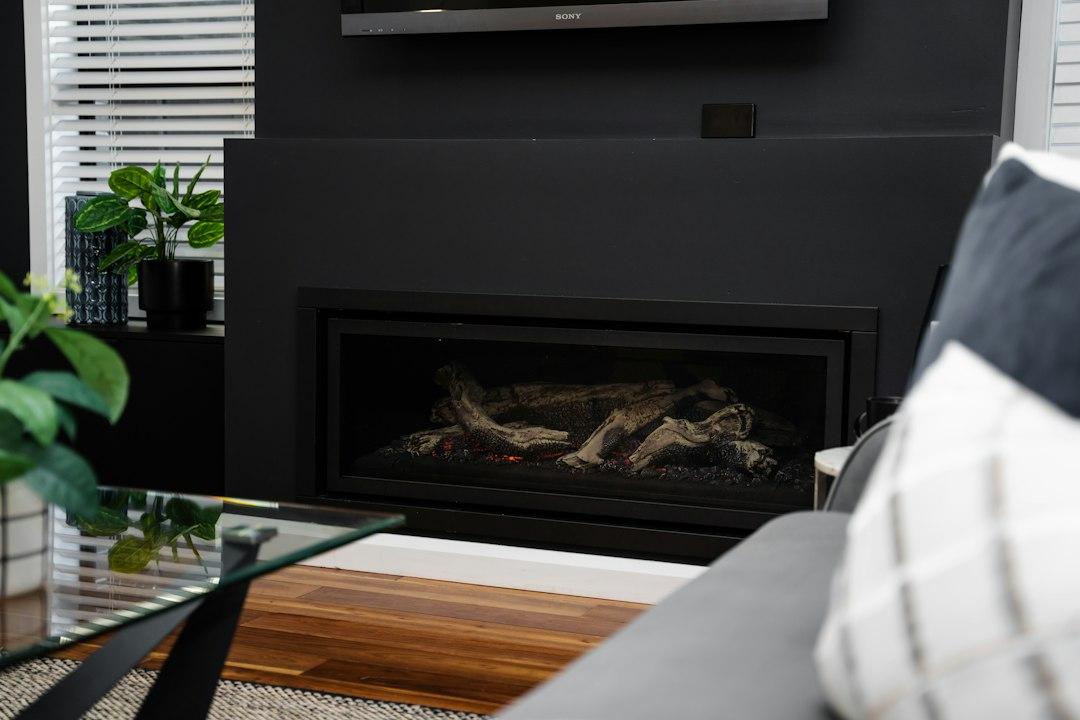
Most owners who ask us about an insert in Buena Park describe the same room. There is a brick or block fireplace that eats firewood, sends most of its warmth up the chimney and leaves the house cooler by morning than it was before the match was struck. An insert answers that by setting a closed metal firebox inside the old opening, with glass in the door and its own vent running to the top of the chimney. What it costs depends first on the fuel you pick, and the three fuels are priced in quite different ways.
Gas is the one we can put a range on. Our price list puts a gas unit, fitted into the masonry opening you already own and connected to its vent, at $2,650 to $5,350. Wood and pellet inserts carry no list price on this site. Their totals swing further from one house to the next, so we measure first and then hand you a written figure for the exact unit and parts you choose.
Gas: where the money sits inside that range
The low end buys a compact unit with a plain face, set into a firebox that already suits it, with a gas supply that already reaches the hearth. The high end covers a larger heater, a decorative front, a blower, a remote or wall switch, and a longer or awkward vent run. Many single storey tract homes around Buena Park have short chimneys, and a short vent run helps the figure.
The parts that push a gas install toward the top:
- A gas line that has to be brought from the meter or a nearby branch, through a crawl space or along an outside wall.
- An opening that is unusually shallow or narrow, which limits the units that fit.
- Power for a blower where no outlet sits near the hearth.
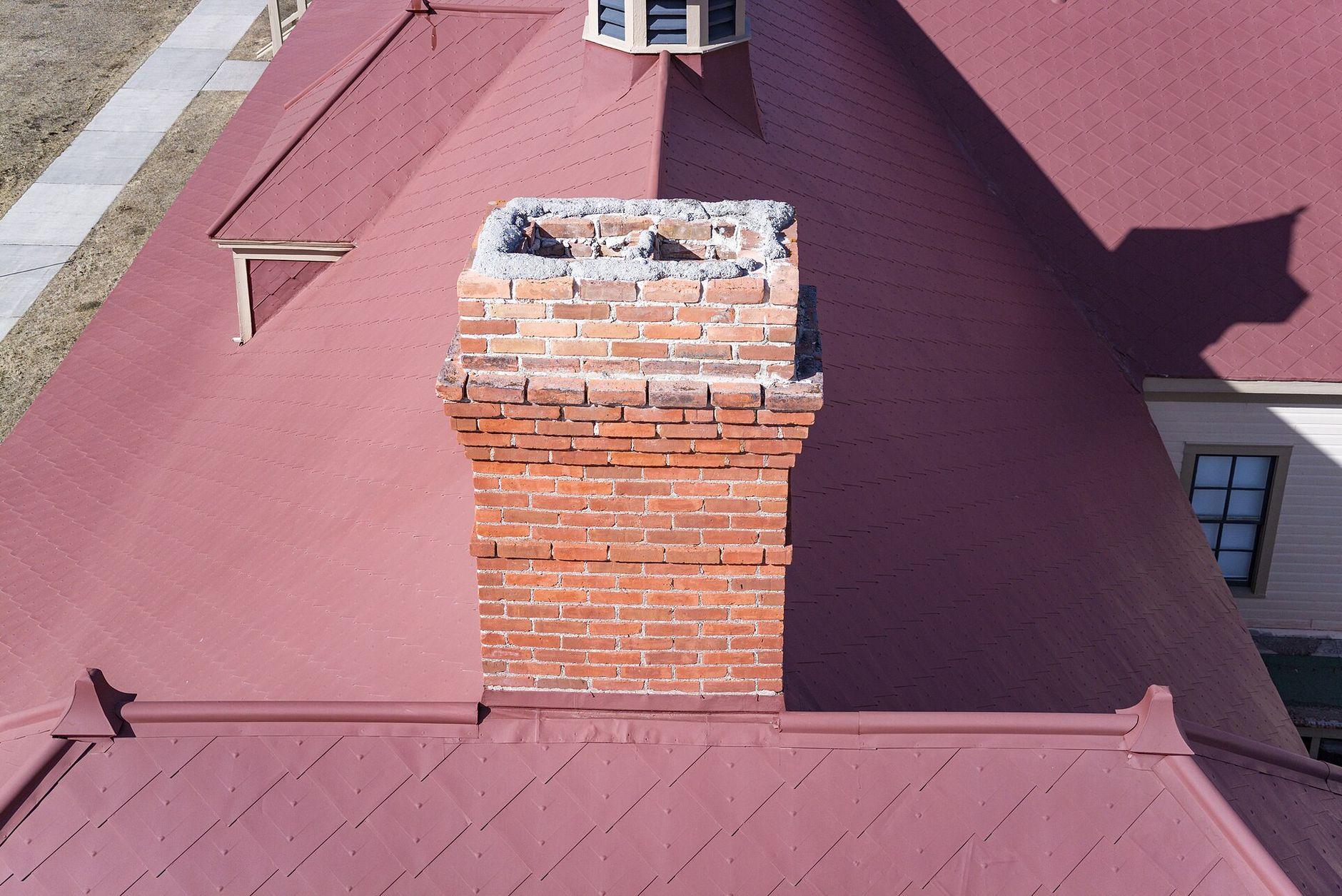
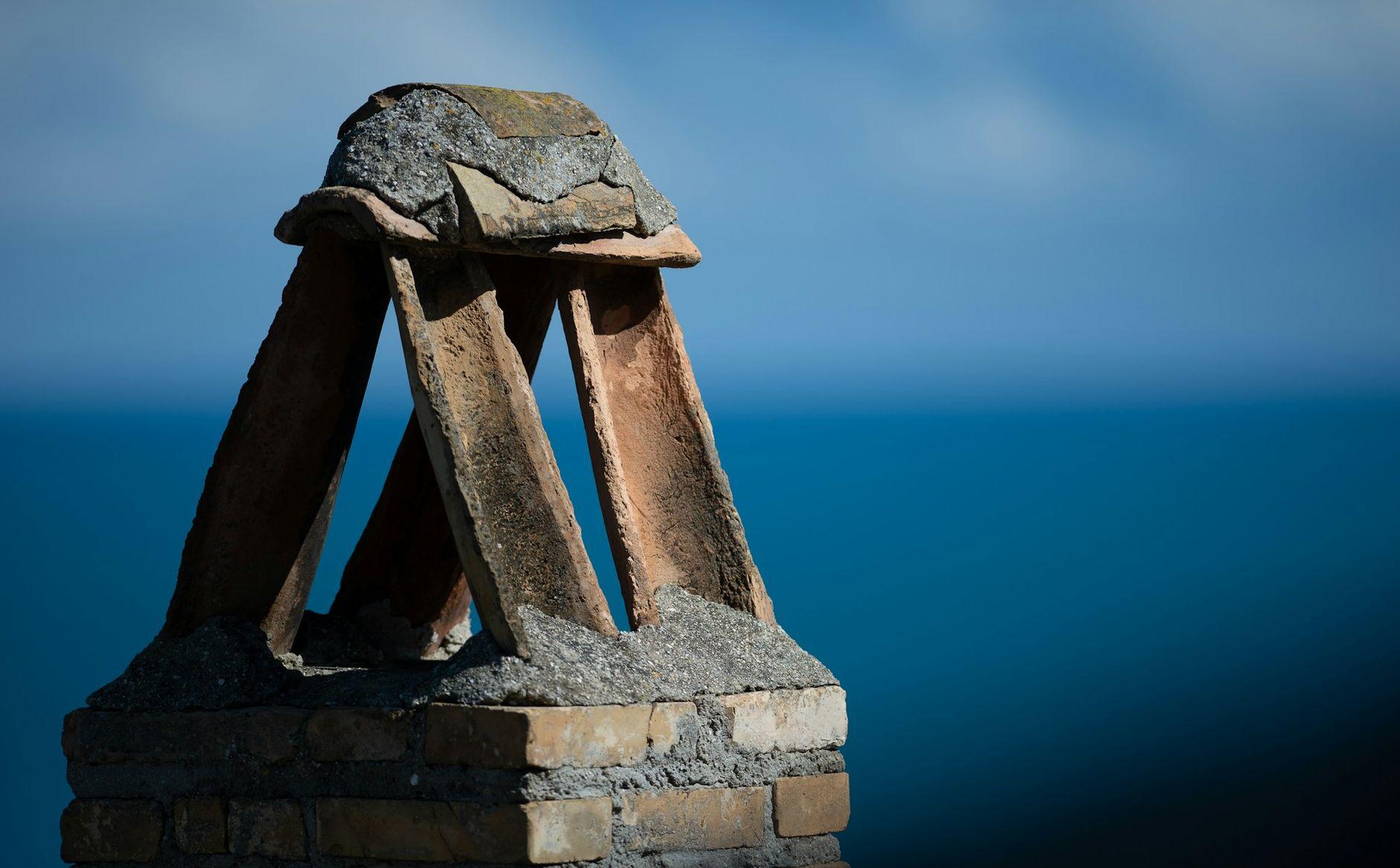
- A cap or top plate that has to change so the vent ends cleanly above the crown.
Wood: the liner is the big line
A wood insert is a sealed stove shaped to slide into a fireplace. The steel box itself is only part of the bill. The rest is the stainless liner from the insert's collar to the top of the chimney, any insulation that liner needs where framing sits close to the masonry, and the plate that closes off the old damper area. Taller stacks, offsets in the flue and a damper that must be cut away all add labor. A wood unit also asks more of the floor in front of it, since embers can drop out when the door opens to reload, so a hearth extension sometimes joins the list.
Wood carries one cost that never shows on an invoice: no-burn days. Buena Park sits under the South Coast AQMD, and from November through February the district can stop wood fires on days when it forecasts stale, still air. Gas fires are outside those alerts. If you picture the fireplace lit mostly on the coldest, calmest evenings, that difference deserves as much weight as the purchase price.
Pellet: the middle path, with a plug
A pellet insert burns small pellets of pressed sawdust, fed from a hopper by a motor. It needs house power, a liner sized for its exhaust, and a dry corner of the garage for bags of fuel. Pellet units give steady heat and little ash, but they have more moving parts than gas or wood, and a power cut stops them. Their install cost usually falls between the other two, and again the liner and the hearth decide much of it. We also repair pellet units, which is useful to know before you own one.
The three, compared on what owners ask
- Upfront figure: gas has a published range; wood and pellet get a written number after measuring.
- Fuel on hand: gas comes down a pipe; wood means split, dry logs stacked somewhere; pellets mean bags kept dry.
- Winter alerts: gas keeps running on no-burn days; a wood insert stays dark.
- Upkeep: gas wants a yearly burner and pilot service; wood wants a sweep when the liner builds up; pellet wants regular ash and hopper cleaning plus a service on its motors.
- Feel: wood gives crackle and smell; gas gives a flame at a switch; pellet gives an even, fan driven heat.
What the measuring visit settles
A phone call cannot answer whether a given unit fits. At the house we take the width, height and depth of the opening, see how the hearth and mantel sit around it, light the flue from below, and climb up to look at the top. When the chimney has not had a proper look in years, we suggest a Level 2 inspection at $370, which records the inside of the flue on video from bottom to top. It is the usual check before a new heater gets connected to an old chimney, and it tells us early whether the liner run will be straightforward.
If you already lean toward one fuel, use the quote form to tell us which one, roughly how wide the opening is and whether a gas key sits beside the hearth now. We call back to arrange a measuring visit, and the written figure that follows is for that unit in your fireplace.
What the written figure lists
Each line stands on its own so the options can be weighed side by side:
- The unit, with its size, front and controls.
- The liner or vent kit and its length.
- Gas line or electrical work, where needed.
- Hearth or surround changes.
- Any city permit the work calls for.
Owners often ask us to price two fuels at once. That is a sensible way to decide, and one visit covers both because the measurements are the same.
Where these installs happen
We fit inserts in Buena Park, Fullerton, Santa Fe Springs, Bellflower and the other cities on our areas page. The units themselves are covered on our fireplace inserts page, and if you are torn between a sealed gas unit and a simpler set of logs, read gas insert or gas logs next.
Ready for numbers that fit your own fireplace rather than a range? Start on our contact page and we will set up the measuring visit.
Turn the Guide Into a Plan for Your House
Taggart Chimney Services works from Buena Park. We measure the fireplace, check the flue and send the insert, log set or repair options back to you in writing, side by side.