Two quotes that look alike can buy different jobs
An insert is not a product you pick off a shelf and carry home. It is a heater, a vent run, often a gas connection and sometimes a change to the hearth, all fitted to a chimney that was built decades ago for an open fire. When Buena Park owners collect quotes and find them hundreds or thousands of dollars apart, the gap rarely sits in the steel box itself. It sits in what each installer has assumed about the parts nobody has looked at yet. Hiring well means finding out what those assumptions are before you sign.
Did they measure, or did they guess?
The first sign of a careful installer is a visit before the number. Inserts come in set sizes, and fireplaces built across Orange County from the 1950s onward vary a lot in width, height, depth and the slope of the back wall. A unit that is a half inch too deep will not slide in, and one that is far too small leaves a wide gap the surround panel has to hide.
Ask any company you are considering what it will record at the house. A good answer includes:
- The opening at the face and at the back wall, plus the depth.
- The flue size and its condition, seen with a light or a camera.
- The height of the chimney and how the top is finished.
- How far the nearest gas supply and outlet are from the hearth.
- What sits in front of the opening: hearth size, mantel height, trim.
A quote given over the phone or from a photo alone is a guess. Guesses tend to grow once the old fireplace is opened up.
What the quote should name
Once the measurements are in, the written quote ought to list the job in parts you can check. Look for these lines and ask about any that are missing:
- The unit: brand, model, fuel and size, with the front and controls chosen.
- The vent or liner: what material, what diameter, how many feet, whether insulation is included.
- The top: a new cap or termination, and how the crown is closed around it.
- Fuel supply: a gas line run and shutoff, or an outlet for a pellet or blower unit.
- The hearth: whether the existing one meets the unit's floor protection or needs extending.
- The old parts: whether the damper is removed or fixed open, and who hauls away debris.
- Permits: whether the company pulls them and books the city inspection.
If two quotes differ, lay them next to each other line by line. Often one includes the liner and permit and the other does not.
Who does the gas work?
A gas insert needs a gas supply at the fireplace. In older Buena Park homes the existing gas key, if there is one, may have been sized for a log lighter rather than a heater. Ask whether the installer will check the line size for the new burner, add a shutoff valve where the manual calls for one, and have the connection pressure tested. When a company says it will leave the gas hookup to someone else, find out who, and when, because the insert cannot be fired until that is done.
The chimney comes before the heater
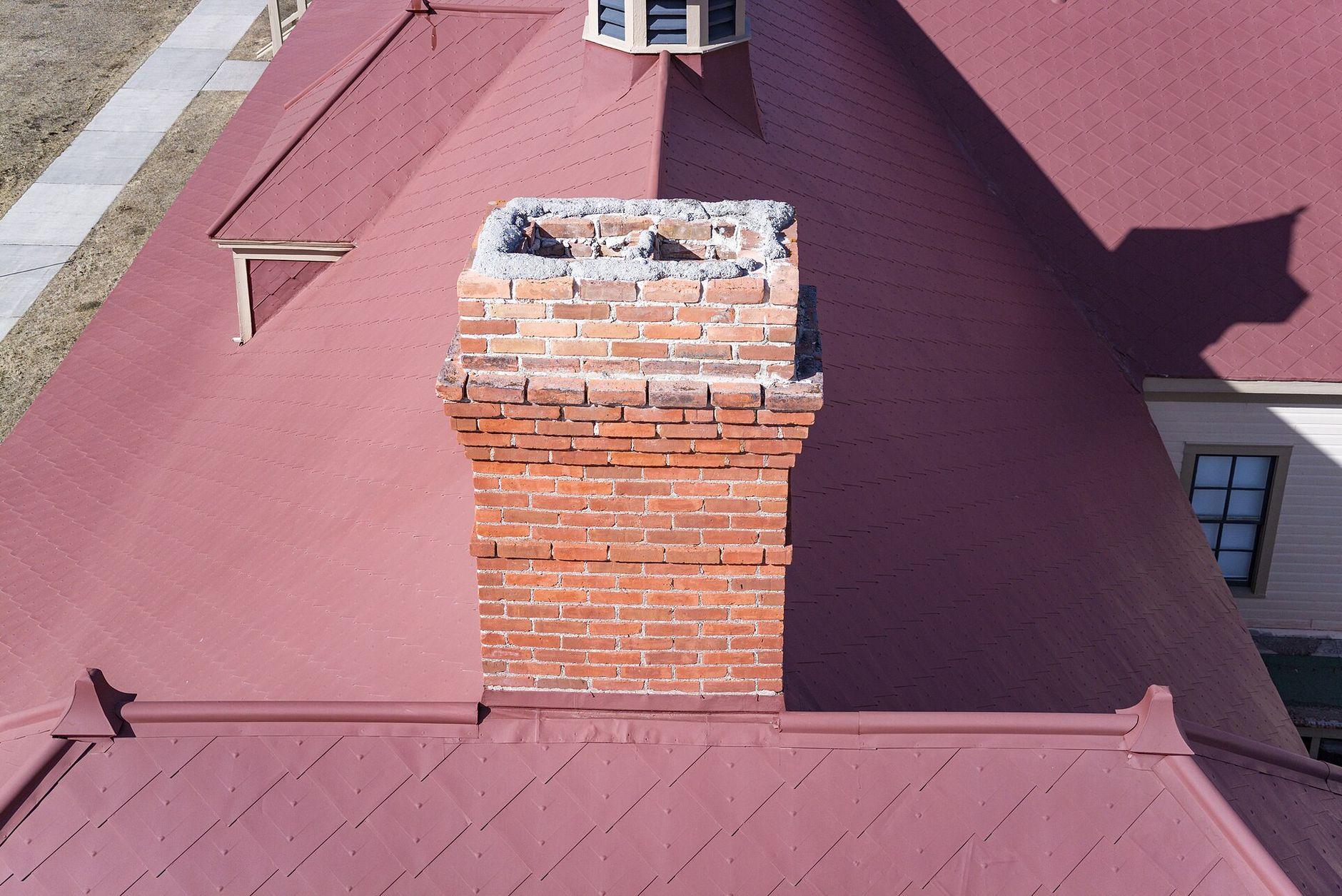
A wood or pellet insert sends its smoke up a liner inside the old flue. A gas insert sends exhaust up a vent pipe in the same space. Either way, the chimney has to be standing straight, with sound brick at the top and a crown that will not break up around the new cap. An installer who never looks up the flue or onto the roof is relying on luck.
We usually suggest a Level 2 inspection, $370, before an insert goes into a chimney that has been idle or heavily used. The camera shows what the liner will pass through, and the written report gives the installer and you the same picture. If repairs turn up, they belong on the quote before the insert does, not as a surprise halfway through the install day.
Questions that sort installers quickly
- Will you come and measure before you give a number?
- Is the liner or vent included, and how long is it?
- Who pulls the permit and meets the city inspector?
- What happens to the old damper, and to the debris?
- Who services the unit after it goes in?
- Does the price cover the hearth as it is, or will it need changes?
Short, plain answers to each are a good sign. Vague ones usually mean extras later.
How we price it
Our list puts a gas insert, fitted into a fireplace you already have, at $2,650 to $5,350. Wood and pellet units have no list price here; they get a written figure after the measuring visit, because the liner, insulation and hearth work vary more. A sweep before the install, from $400, is often needed on a wood fireplace that has been burned recently, so the liner goes into a flue without loose soot.
If you have other quotes in hand and want a comparison on the same terms, send us the basics through the quote form: the fuel, the rough size of the opening and what the other quotes include. We call back, book the measuring visit, and our written quote lists each part so it can sit next to the others.
Local work, local inspections
We install and service inserts in Buena Park, Fullerton, Bellflower and Santa Fe Springs, plus the other cities on our areas page. The units themselves are on our fireplace inserts page, and the city paperwork side is covered in permits for a new insert.
When you are ready to have an installer measure your own fireplace, go to the contact page and tell us which fuel you have in mind.
Turn the Guide Into a Plan for Your House
Taggart Chimney Services works from Buena Park. We measure the fireplace, check the flue and send the insert, log set or repair options back to you in writing, side by side.