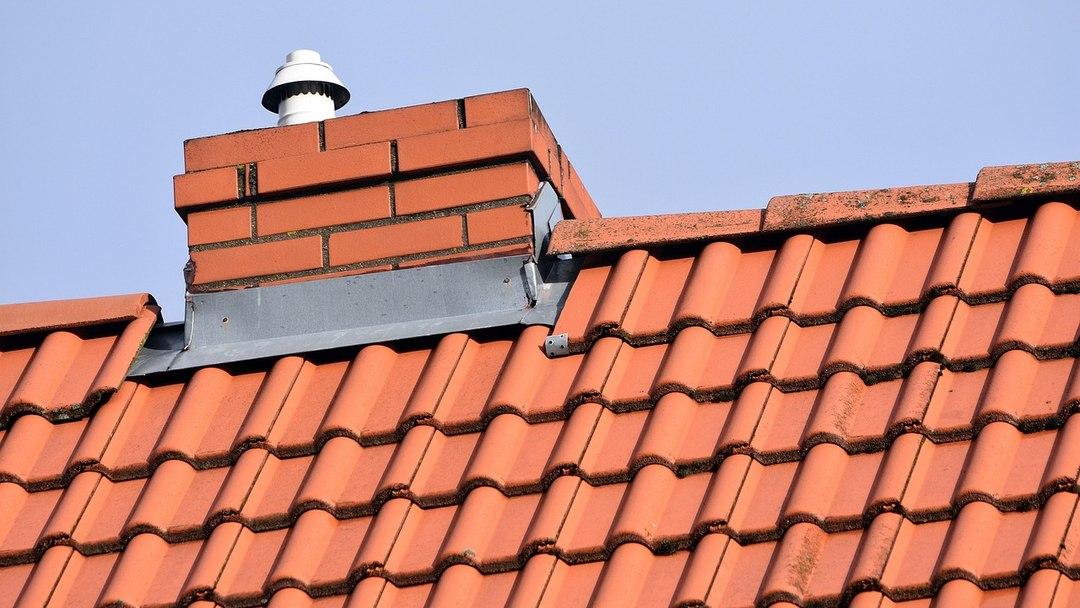
The part of an insert nobody sees
Owners shopping for an insert spend most of their time on the front: the glass, the trim, the flame. The part that decides whether the heater works well for twenty winters is hidden inside the chimney. It is the liner, a stainless steel pipe that carries smoke or exhaust from the insert's outlet to the top of the stack. In Buena Park almost every insert we fit needs one, and it is often the line on the quote that surprises people most. Here is why it is there, what it does, and what changes its cost.
Why the old flue is not enough
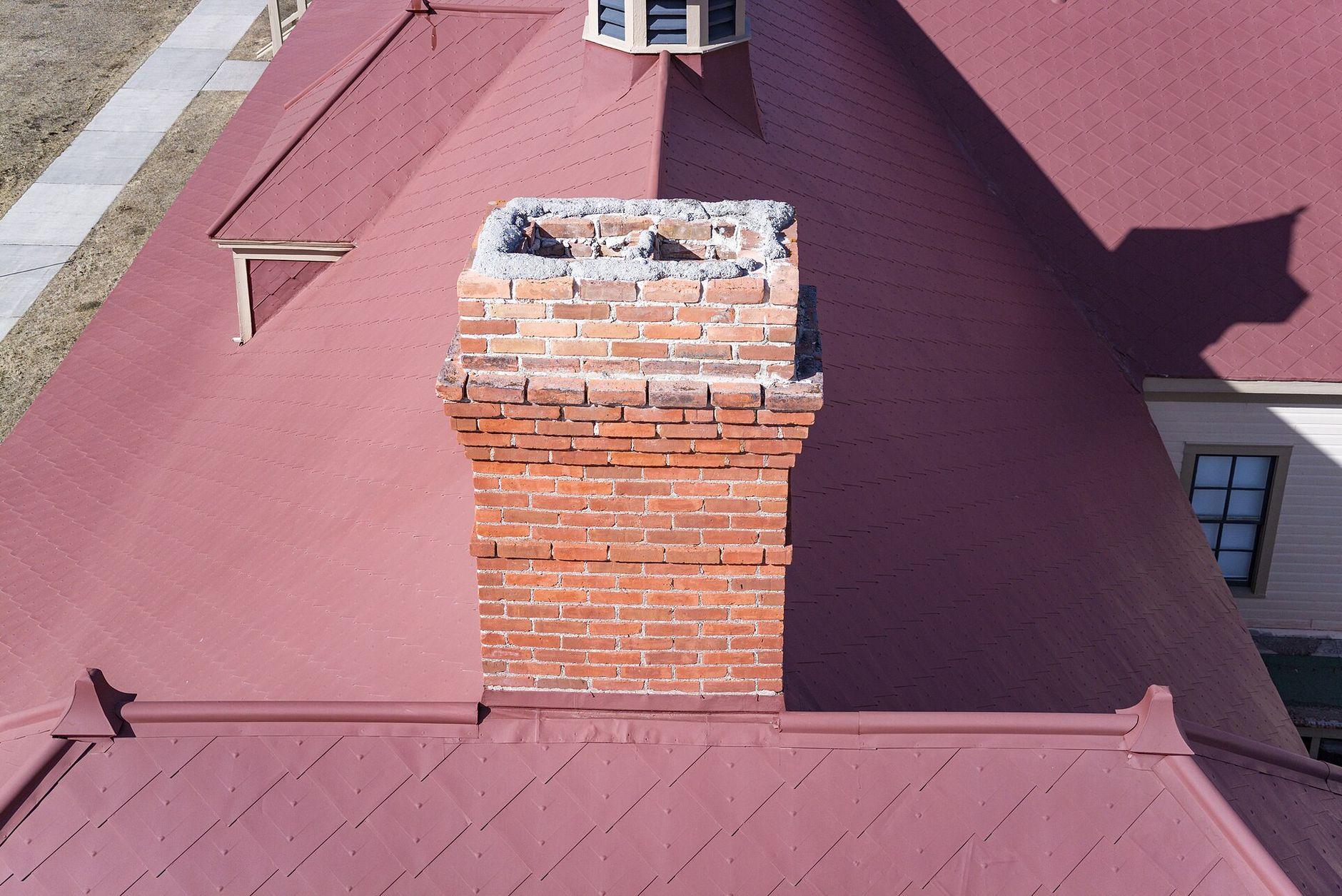
Most masonry chimneys in this part of Orange County were built with a clay tile flue sized for an open fireplace. An open fire moves a large volume of air, so the flue is wide. An insert moves far less, through a small round outlet. Connect that small outlet to a big clay flue and the exhaust slows down, cools in the oversized space, and drafts poorly. With wood, cool slow smoke leaves creosote on the tile much faster than an open fire ever did. With gas, cool exhaust can condense into water and acid that eat at mortar joints from the inside.
There is a second reason. The tiles in a sixty year old chimney are seldom perfect. Joints open, corners chip, and a strong shake can crack a tile without anything showing outside. Southern California chimneys have been through several such quakes. A crack that an open fire got away with becomes a real problem when a sealed heater runs for hours with its exhaust pressing on that tile.
A stainless liner solves both at once. It gives the insert a pipe sized to its outlet, running unbroken from the collar to the cap, and it stands apart from any damage in the old tile.
Sizing is not a guess
Every insert's installation manual names the liner it needs, by diameter and sometimes by type. We follow that, then check it against the chimney: how tall it is, whether the flue has offsets, and how much room the old tile leaves for the new pipe. A liner too large brings back the slow draft problem; one too small chokes the heater. Insulation is added where the manual or the clearance to nearby framing calls for it, and on wood installs it also keeps the exhaust warmer on its way up.
For gas inserts the venting is often two pipes, or one pipe inside another, because the sealed unit draws outdoor air down as well as sending exhaust up. That arrangement is set by the maker too. It is one reason the gas insert figure on our list, $2,650 to $5,350, already includes the vent: a gas unit cannot run without its matched kit.
What the camera tells us first
Before we price a liner, we want to see the flue from the inside. A Level 2 inspection, $370, sends a camera from the firebox to the top and records the tile, the joints and any offsets on video. That footage answers three questions:
- Is the flue clear enough for the new pipe to pass?
- Are there offsets or narrow spots that affect the liner type?
- Is the masonry around the flue sound enough to carry an insert, or does it need repair first?
When the brick near the top is loose or the crown is breaking up, those repairs come before the liner. A new stainless pipe through a crumbling stack only moves the problem.
What changes the liner cost
The liner has no single price on this site because the variables are real ones:
- Height: a single storey chimney needs far less pipe than a two storey one.
- Diameter and type: set by the insert, and larger or heavier wall pipes cost more.
- Insulation: whether it is needed for clearance or draft.
- Path: a straight flue takes a liner in a short time; offsets and tight tile take longer.
- The top: a new cap and top plate sized to the liner.
- The damper: the old damper area usually has to be opened up so the pipe can reach the insert's outlet.
After the camera run we put the liner on its own line in the written quote, next to the insert, so you can see what each part costs.
When to bring it up
If you are planning an insert this year, the liner should be part of the first conversation, not the last. Tell us in the quote form which fuel you are leaning toward, how tall the chimney is from the roof, and when it was last looked at. We call back to book a camera inspection and measuring visit, then send one written quote covering insert, liner and any repair the footage shows.
Lining for other reasons
Not every liner job involves an insert. Owners sometimes need one because a camera found cracked tile in a chimney they still use as an open fireplace, or because a water heater or furnace shares a flue that is now too big for it. Those jobs follow the same steps: camera first, then sizing, then a written quote. Our chimney liner installation page covers them.
In and around Buena Park
We line chimneys across Buena Park, Fullerton, Santa Fe Springs, Bellflower and the other cities on our areas page. Before you pick a unit, it helps to read hiring an insert installer, since the liner is one of the lines that separates careful quotes from quick ones.
If you want the liner and the insert priced together, the first step is our contact page.
Turn the Guide Into a Plan for Your House
Taggart Chimney Services works from Buena Park. We measure the fireplace, check the flue and send the insert, log set or repair options back to you in writing, side by side.